
Supporting the Caregivers Who Dedicate Their Lives to Others
A charitable, educational, and advocacy-focused nonprofit organization dedicated to supporting caregivers, Direct Support Professionals (DSPs), and volunteers across Regional Center Networks.

Protecting the Hands That Care For Others
Every day, caregivers and Direct Support Professionals show up for the people who depend on them most. We exist to make sure they're protected in return.

We Need Your Support to End Wage Theft in Care Work
Unpaid overtime, missed breaks, and misclassified hours shouldn't be the cost of caring for others. We help workers reclaim what they've rightfully earned.
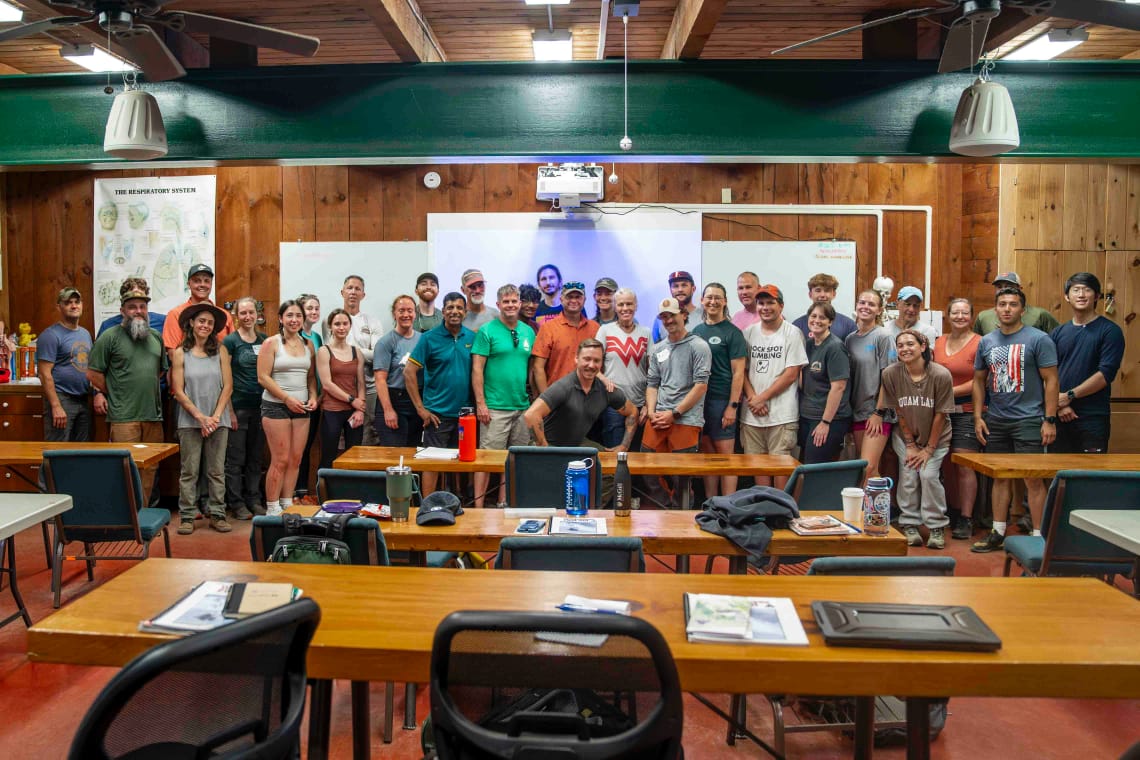
Equipping DSPs With the Tools to Thrive
From safety practices to know-your-rights workshops, we equip caregivers with the knowledge to work confidently, safely, and with dignity.

We Need Your Support to Build a Stronger Care Community
Real change happens when workers, volunteers, and advocates stand together. Join a movement built by caregivers, for caregivers.
100%
Free Advocacy Services
DSPs
Caregivers & Support Staff
CA
Regional Center Networks
24/7
Confidential Intake Line
How We Directly Support Workers
Navigating labor guidelines and facility protocols can be challenging. Our nonprofit offers comprehensive guidance, resources, and hands-on support across all care operations.
Proactive monitoring for facility risks including heat illness hazards, poor ergonomics, physical strain injuries, and unsafe working conditions.
Enforcement support for earned paid sick leave, overtime compliance, and identifying wage theft before it goes unnoticed.
Direct support navigating claim filing processes, Workers' Compensation pathways, and protection against retaliation.
Our Core Mission Pillars
We believe that those who provide essential daily care and residential support deserve unwavering advocacy, protection, and access to real resources.
Charitable Action & Support
Providing relief, crisis support networks, and community safety nets for Regional Center care workers.
Educational Outreach
Equipping professional caregivers with practical knowledge and strong care delivery strategies.

Representation For Every Care Level
Our focus remains on improving the working conditions, training, and support structures for the individuals carrying out essential care work.
- ✔ Direct Support Professionals (DSPs)
- ✔ Full-time, shift, and live-in caregivers
- ✔ Dedicated community care volunteers
Empowering Daily Mobility & Care
We support the frontline workers who make independent living possible for seniors and adults requiring daily assistance.
About Us
HISTORY & MANDATE OF THE REGIONAL CENTER WORKERS' RIGHTS ADVOCACY INITIATIVE
Our Core Mission
Mission Statement
Our mission is to protect, empower, and uplift Direct Support Professionals, caregivers, and frontline disability-service staff by advocating for fair treatment, safe workplaces, equitable labor practices, and the dignity they deserve. We work to end retaliation, discrimination, forced labor, and emotional harm in the care industry while providing education, support, and a strong voice for those who care for our community's most vulnerable members.
Our Strategic Target
Vision Statement
We envision a just and equitable care system where every Direct Support Professional and caregiver is respected, protected, and valued, free from exploitation, trauma, and fear. A future where DSPs and caregivers have the rights, resources, and recognition they need to thrive, and where the disability-service workforce is strengthened through fairness, safety, and community empowerment.
History
Direct Support Professionals (DSPs), caregivers, and frontline disability-service workers have long been the backbone of California's Regional Center system. Their work sustains the safety, dignity, and independence of people with developmental disabilities, yet their own rights, wellbeing, and protections have been neglected for decades.
This advocacy movement was born out of the unwavering commitment of DSPs and caregivers who continued to serve their communities despite:
- • Chronic understaffing and unsafe workloads
- • Retaliation for reporting violations
- • Discrimination and bias from employers and agencies
- • Forced labor practices disguised as "mandatory duties"
- • Emotional distress from surveillance and hostile environments
- • Trauma from workplace abuse and intimidation
- • Wage theft, unpaid overtime, and misclassification
- • Lack of training, support, and mental-health resources
For years, these workers endured hardship in silence while providing essential care to some of the most vulnerable members of our community. Their dedication, even in the face of exploitation, revealed a painful truth: the system depends on their compassion, but does not always protect their humanity.
This organization emerged as a direct response to that injustice.
It was created by workers who experienced the system's failures firsthand and refused to allow future DSPs and caregivers to face the same treatment. Their courage, frustration, and resilience formed the foundation of a movement demanding dignity, safety, and respect for all Regional Center workers.
Mandate
The mandate of the Regional Center Workers' Rights Advocacy Initiative is to protect, empower, and uplift all workers who serve individuals with developmental disabilities, including DSPs, caregivers, behavioral technicians, supported-living staff, and residential care workers.
Worker Protection
Defending workers from retaliation, discrimination, harassment, and unsafe working conditions.
Labor Rights Advocacy
Ensuring compliance with wage laws, overtime rules, meal/rest break rights, and anti-exploitation protections.
Policy & Systems Reform
Challenging structural inequities within the Regional Center system and pushing for statewide improvements.
Community Education
Providing workers with practical training on rights, safety, reporting, and self-advocacy.
Mental Health & Trauma Support
Addressing emotional distress, burnout, and trauma caused by workplace conditions.
Whistleblower Protection
Safeguarding workers who report abuse, operational neglect, fraud, or unsafe practices.
Equity & Anti-Discrimination
Fighting bias, racism, favoritism, and discriminatory treatment in the workplace.
Empowerment & Leadership
Building long-term worker leadership, confidence, and collective voice.
Why This Mandate Matters
Regional Center workers are essential, yet historically undervalued. Without strong advocacy, they face low wages despite high-risk responsibilities, retaliation for speaking up, unsafe staffing ratios, emotional trauma from constant pressure, limited legal knowledge or representation, and systemic discrimination and exploitation.
This nonprofit organization exists to break that cycle. Our mandate is rooted in the belief that workers who care for vulnerable people deserve protection, dignity, and justice.
DSP Advocacy & Services
Defending Workplace Rights, Elevating Care Standards
Comprehensive Worker Protections
The role of a Direct Support Professional requires a wide range of skill. Balancing mobility assistance, coordination, and personal care delivery demands clear workplace safety standards.
Workplace Health, Safety & Hazards
Identification of issues such as heat illness risks during long shifts, poor ergonomics, and exposure hazards inside facility zones.
Workers' Compensation Navigation
Providing hands-on guidance following on-the-job injuries so caregivers can access medical evaluation without resistance.

Defending Legal Labor Thresholds
Wage Theft Defense
Addressing unpaid regular or split-shift overtime, missing live-in rest balances, and misclassification within facilities.
Paid Sick Leave
Ensuring full access to state-mandated paid recovery time so frontline staff can look after their own health securely.
Anti-Retaliation
Securing worker safety when raising red flags. The law strictly prohibits intimidation or termination for whistleblowing.
Education & Claims Resources
Knowledge Built to Empower the Field
Educational Outreach Channels
Serving the public interest means keeping the care workforce educated on changing labor standards, practical tools, and safety practices.
Free Non-Medical Training
Practical skills focused on de-escalation tactics, incident report writing, and safe ergonomic movement.
Computer Literacy Training
Empowering caregivers with digital skills to track shift logs, electronic visit verifications, and filing systems.
DSP University Resources
Centralized knowledge on regulatory standards, whistleblower filing systems, and care modules.
Free Workshops
Monthly learning sessions addressing burnout, wage rights, and heat illness hazards.
Worker-Related Complaints & Claims Process
Our step-by-step approach to resolving facility non-compliance and labor discrepancies safely.
Incident Documentation
Preserve shift records, heat monitoring issues, broken safety equipment, or missing pay statements clearly.
Complaint Evaluation
Determine whether the issue is a safety matter (Cal/OSHA) or a pay discrepancy (Labor Commissioner).
Filing Procedures
Complete the necessary intake forms clearly to help guarantee a fast review.
Nonprofit Support Pipeline
Leverage our support framework for managing filing follow-ups, updates, and identity protection.
Get Involved
Lend Your Energy to a Vital Community Movement

Support the Movement for Dignity in Care
Meaningful change inside residential networks never happens in isolation. To support the frontline staff keeping care homes running smoothly, we need active community advocates.
Care Facility Outreach
Help deliver resource packages and handbooks to local Regional Center service staff.
Seminar Logistics Support
Help organize, set up, and manage logistics for caregiver educational workshops.
Contact Us
Reach Our Central Care Advocacy Hub
Nonprofit Intake Team
Our team securely tracks field inquiries, compliance gaps, and legal defense coordination across the region.
Email Address
Phone Assistance
Mailing Address
Send Us a Secure Message
Your information is kept private and handled securely within our intake process.
Report Wage Theft
Confidential reporting for DSPs and caregivers
Tell Us What Happened
Wage theft includes unpaid wages, unpaid overtime, missed meal or rest break pay, off-the-clock work and illegal deductions. Your report is confidential and reviewed by our team. Fields marked with an asterisk are required.
Our Work
HOW WE STAND BEHIND CAREGIVERS, DSPs, AND SUPPORT WORKERS
Behind every home visit, every shift, and every act of care is a worker who deserves protection, fairness, and a voice.
Our work spans direct advice and representation, hands-on training, wage recovery, and long-term policy change. All of it is built around one goal: making sure the people who care for others are never left to fend for themselves. Below, you'll find how each part of that work comes to life.

Advice & Representation
Any Direct Support Professional or caregiver facing an unfair or unsafe situation in the workplace deserves access to timely, affordable guidance to help them understand their options and pursue a fair outcome.
For us, access to justice starts with workers recognizing when their rights have been violated and knowing exactly where to turn for help. When barriers stand between caregivers and the support they need, we step in to help them navigate the process and advocate on their behalf.

DSP Rights & Safety Trainings
We educate Direct Support Professionals, caregivers, and community advocates on workplace rights, equipping them with practical strategies to assert those rights and protect themselves from retaliation.
With education at the center of our approach, our goal is for every caregiver to return to their workplace with the knowledge, tools, and confidence to support themselves and their colleagues.
These trainings are offered both in person and virtually, covering general workplace protections as well as care-industry-specific concerns and California's administrative procedures. To schedule a session, please .

One-on-One Case Support
Every caregiver's situation is different, which is why we offer confidential, one-on-one support tailored to each worker's circumstances, free of charge and without judgment.
Whether the concern involves unsafe conditions, unpaid wages, or unclear employment status, our team takes the time to listen, explain your options in plain language, and walk beside you through every step of the process.
No caregiver should have to face a workplace injustice alone, and no one is turned away because of cost, immigration status, or language barriers.

Free & Confidential From Day One
Reaching out for help shouldn't come with hesitation. Every conversation with our team is free, confidential, and judgment-free, whether you're unsure if what happened to you is even a violation or you're ready to take formal action.
We never share your information with your employer, and you are never required to disclose your immigration status, language preference, or personal details to receive guidance. Help starts the moment you reach out, not after a lengthy intake process.

Standing With You Every Step of the Way
From your first message to us, through every phone call, form, and follow-up, you are never navigating this process alone. Our team stays with you from the moment a concern is raised until it's resolved, checking in, explaining next steps, and making sure nothing falls through the cracks.
Justice shouldn't depend on how much you already know about the system. That's why we built this program the way we did: to meet caregivers exactly where they are.
Workers' Rights Clinics
Many caregivers and Direct Support Professionals hesitate to speak up about unfair treatment simply because they aren't sure whether what they're experiencing is actually against the law. Uncertainty keeps good people silent, and that silence is exactly what our Workers' Rights Clinics are built to break.
Each clinic offers a private, judgment-free space where a caregiver can sit down with someone who understands the industry and ask the questions they've been carrying alone: Is this legal? Am I being paid correctly? Can they really schedule me like this?
One-on-One Legal Consultations
Every clinic session is a genuine one-on-one conversation, not a form to fill out or a hotline script to follow. We take the time to understand the full picture of a caregiver's situation, including their schedule, their employer, and their specific concerns, before offering guidance.
This isn't generic advice pulled from a handbook. It's guidance shaped around the realities of care work: irregular hours, live-in arrangements, multiple clients, and the emotional weight that comes with the job.
Open to Every Worker, Regardless of Status
Our clinics are open to all caregivers and Direct Support Professionals, regardless of immigration status, documentation, or how long they've been in the field. Labor protections apply to everyone who works, and fear of one's status should never be the reason someone stays silent about mistreatment.
No one is turned away, and nothing shared in a clinic session is passed along to an employer.
What Happens After a Clinic Session
A clinic visit is often just the first step. Depending on what comes up in the conversation, our team may help connect a caregiver to further resources, whether that's our own advocacy services, a wage claim filing, or a referral to the right government office for their specific issue.
Every caregiver leaves a session with something concrete: a clearer understanding of their rights and a plan for what to do next, even if that plan is simply knowing what to watch for going forward.
Need to speak with someone about your situation?